欢迎访问林草资源研究

林草资源研究 ›› 2024›› Issue (4): 1-11.doi: 10.13466/j.cnki.lczyyj.2024.04.001

• 综合管理 •    下一篇

1997—2021年中国省域碳排放和碳吸收能力分析

张煜星1(), 张哲2(), 尹晶萍2, 蒲莹1   

  1. 1.国家林业和草原局林草调查规划院,北京100714
    2.国家林业和草原局产业发展规划院,北京100010
  • 收稿日期:2024-08-01 修回日期:2024-08-20 出版日期:2024-08-28 发布日期:2025-04-18
  • 通讯作者: 张哲,高级工程师,博士,主要从事林草规划设计和林业碳汇等工作。Email:278474036@qq.com
  • 作者简介:张煜星,教授级高级工程师,博士,主要从事森林资源监测和林业碳汇等工作。Email:mrqzyx@sina.com

Carbon Emissions and Carbon Sequestration Capacity in Chinese Provinces from 1997 to 2021

ZHANG Yuxing1(), ZHANG Zhe2(), YIN Jingping2, PU Ying1   

  1. 1. Academy of Inventory and Planning,National Forestry and Grassland Administration,Beijing 100714,China
    2. Industry Development and Planning Institute,National Forestry and Grassland Administration,Beijing 100010,China
  • Received:2024-08-01 Revised:2024-08-20 Online:2024-08-28 Published:2025-04-18

摘要:

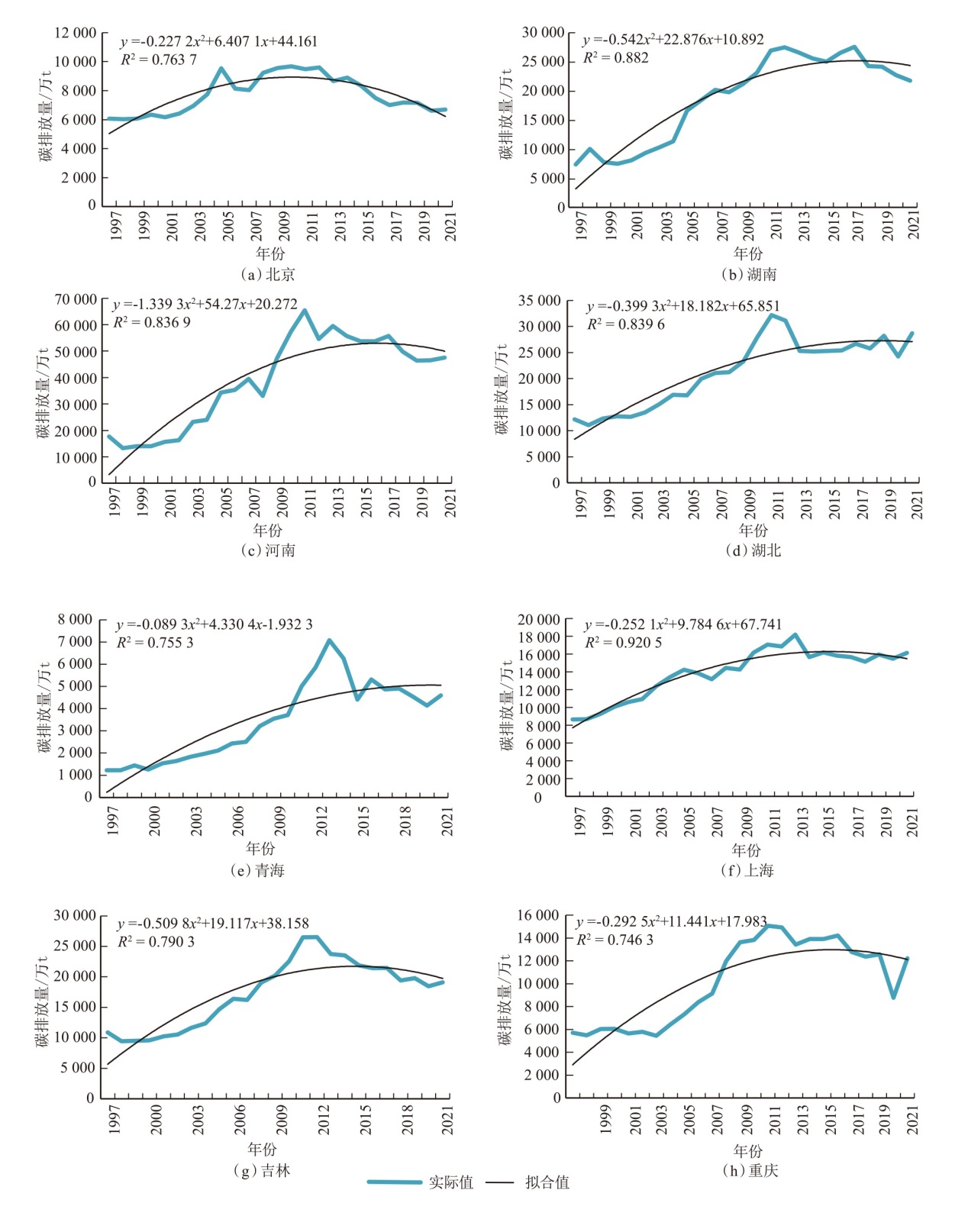
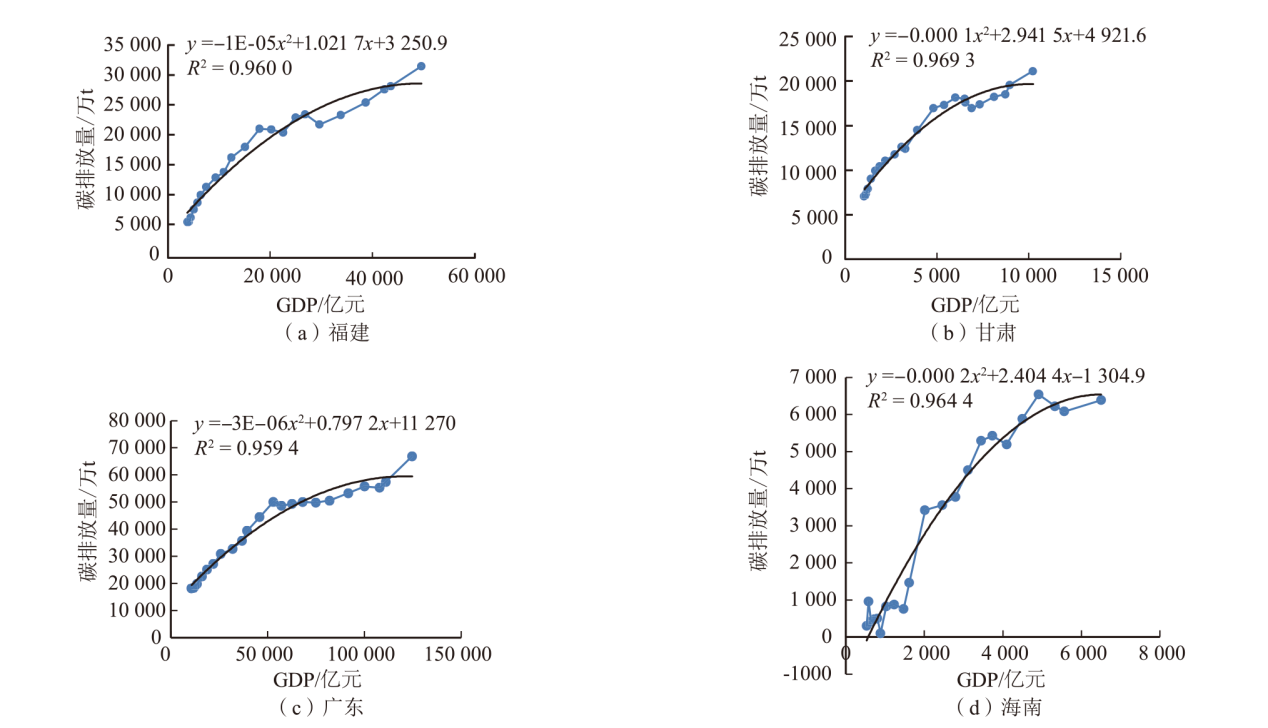
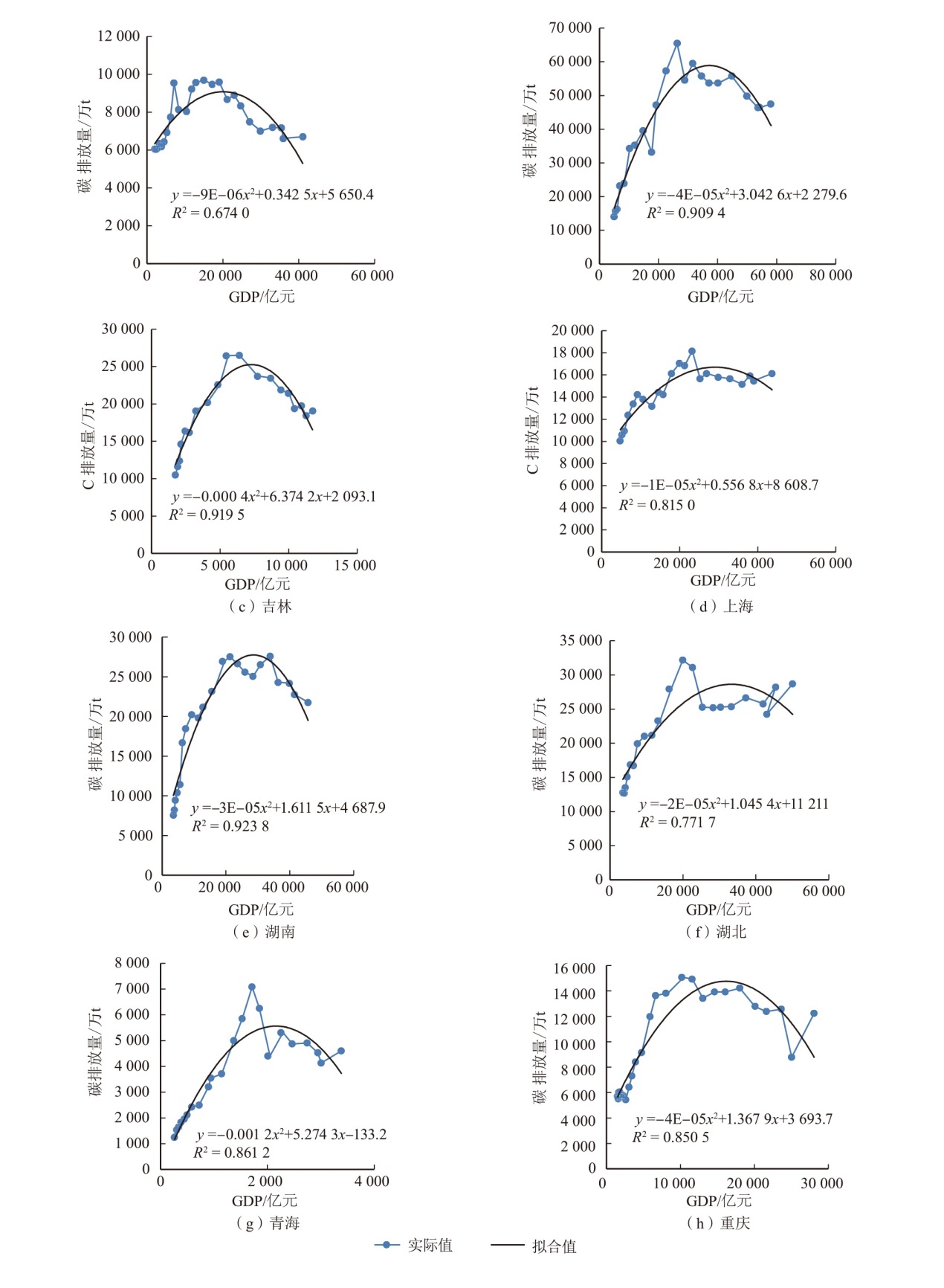
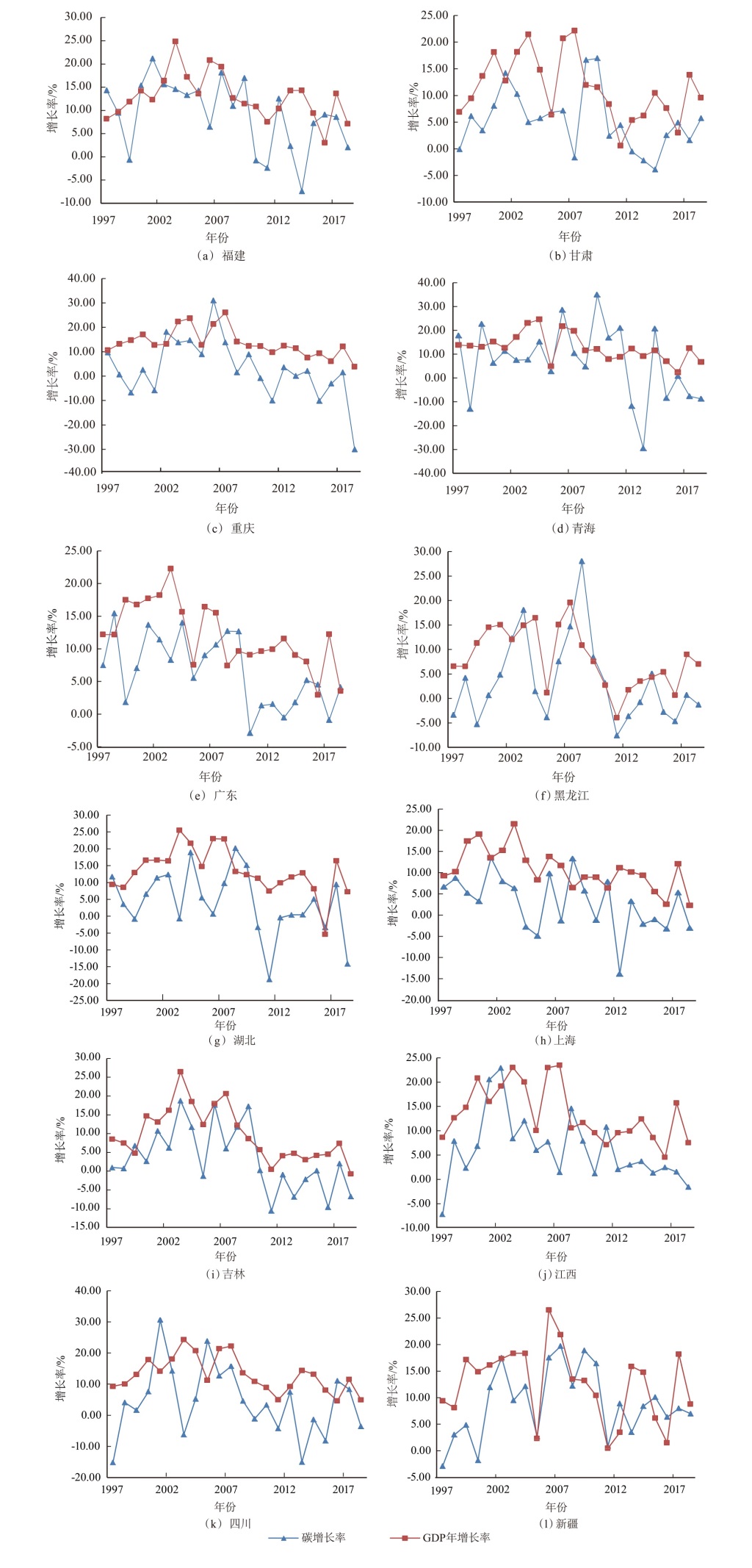
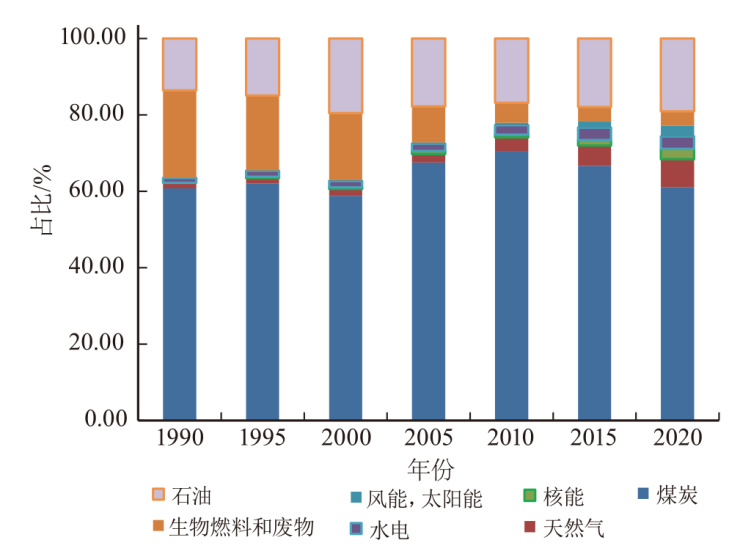
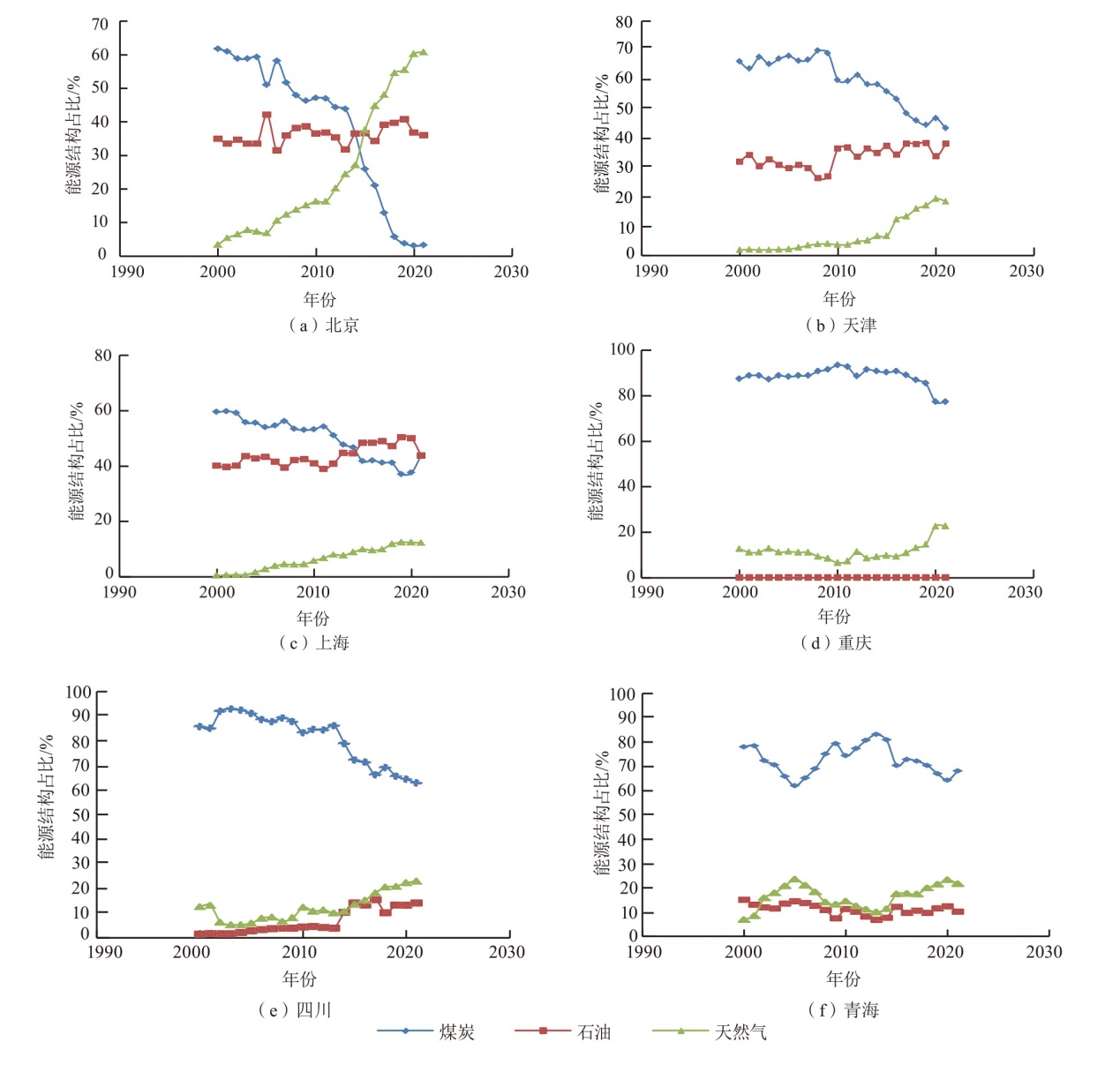
对1997—2021年中国30个省(区、市)(不包括香港、澳门、台湾和西藏)的碳排放情况和森林植被碳吸收能力进行分析。结果表明:1)中国大部分省(区、市)的碳排放呈增长趋势。截至2021年,已有8个省(区、市)实现或接近碳达峰。2)中国碳减排已初步取得成效,技术进步在碳减排过程中发挥了重要作用,各省(区、市)碳强度呈逐年下降趋势。与2005年相比,2021年18个省(区、市)的碳强度下降幅度超过65%。总体来看,经济较发达的省(区、市)碳强度普遍较低。3)各省(区、市)碳排放量与当年GDP之间具有显著相关性。2021年,碳强度最低的5个省(区、市)碳排放总量占全国的5.11%,其GDP总和却占全国的16.25%;碳强度最高的5个省(区、市)碳排放总量占全国的33.51%,但其GDP总量仅占全国的6.98%。4)当前,中国能源消耗结构仍以煤炭和石油为主。2021年全国煤炭和石油能源消耗占比高达91%.能源消耗增量对GDP增长的影响具有一定的滞后性,但这种滞后性正逐步减弱,单位能耗的经济产出效益显著提高。5)全国森林植被的年均固碳能力持续增强。2021年,全国森林植被碳汇量达到4.51亿t,吸收二氧化碳当量达16.55亿t,2017—2021年全国碳汇年均增长率为4.02%,但同期碳排放年均增长率达10.7%,固碳能力的增长速度显著低于碳排放增长速度。6)各省(区、市)的碳汇能力均有所提升,但多数省(区、市)的森林碳汇量不足本省(区、市)当年碳排放量的10%;其中,江西、广西、吉林和湖南的碳汇能力超过30%;云南和四川的森林植被年固碳量分别为省(区、市)年均碳排放量的2.16倍和1.13倍,表现出较强的固碳能力。7)2021年,全国森林植被固碳量占当年碳排放量的12.63%,而全国陆地生态系统植被总碳汇量占当年碳排放量的23%。尽管碳排放的增长速度仍快于森林植被碳吸收能力的增长速度,但以森林生态系统为主体的陆地生态系统仍是我国实现碳中和的关键要素。保护并提升森林生态系统的生产力,是碳减排潜力接近峰值后进一步增强碳汇能力、实现碳中和的关键环节。

关键词: 省域, 碳排放, 碳汇, 碳达峰, 森林植被

Abstract:

This study conducts an analysis of carbon emissions and the carbon sequestration capacity of forest vegetation across 30 provinces(excluding Hong Kong,Macao,Taiwan,and Xizang)in China from 1997 to 2021.1)Most provinces are still experiencing an increasing trend in carbon emissions,with only 8 provinces nearing or achieving the carbon peak goal by 2021.2)China has initially achieved preliminary success in carbon emission reduction,with technological advancements playing a significant role.Carbon intensity has shown a year-on-year decline,with 18 provinces reducing their carbon intensity by more than 65% compared to 2005,typically in economically advanced regions.3)There is a significant correlation between carbon emissions and GDP.In 2021,the five provinces with the lowest carbon intensity accounted for only 5.11% of national carbon emissions but contributed 16.25% to the national GDP,whereas the 5 provinces with the highest carbon intensity contributed 33.51% to national carbon emissions but only 6.98% to the national GDP.4)As for 2021,energy consumption in China is still dominated by coal and petroleum,accounting for 91% of energy consumption.The impact of the incremental energy consumption on GDP growth exhibits a lag effect;however,as the economic output efficiency per unit of energy consumption significantly improves,such lag effect is gradually diminishing.5)The annual carbon fixation ability of national forest vegetation has continuously increased.In 2021,the national forest carbon sink reached 451 million tons,absorbing the equivalent of 1.655 billion tons of CO2,with an annual average increase rate of 4.02% from 2017 to 2021.However,it is significantly lower than the annual average growth rate of carbon emissions,which is at 10.7%.6)The carbon sequestration capacity of forests in each province has improved,yet for most provinces,forest carbon sequestration accounts for less than 10% of their annual emissions.Jiangxi,Guangxi,Jilin,and Hunan exceed 30%;Yunnan and Sichuan are notably efficient,with their forest carbon sequestration are 2.16 times and 1.13 times of their carbon emissions.7)In 2021,the carbon sequestration of forest vegetation accounted for 12.63% of the carbon emissions of that year in China,and the terrestrial ecosystems accounted for 23% of the annual emissions.Although the growth rate of carbon emissions continues to exceed that of the carbon absorption capacity of forest vegetation,terrestrial ecosystems,primarily forest ecosystems,remain crucial for achieving carbon neutrality in China.Protecting and enhancing the productivity of forest ecosystems is crucial for further increasing carbon sink capacity and achieving carbon neutrality goal after the carbon reduction potential approaches its limit.

Key words: provinces, carbon emissions, carbon sinks, carbon peaking, forest vegetation

中图分类号: